
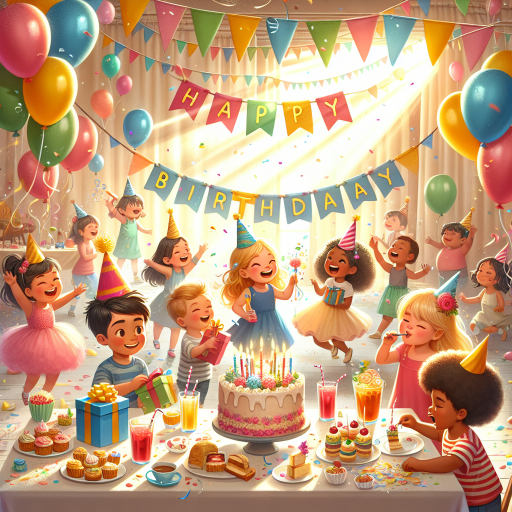
What is called a birthday party?
A birthday party is a social gathering or celebration held to mark the anniversary of a person’s birth. This event is typically organized by family members or friends to honor the individual whose birthday it is. The main focus of a birthday party is to make the celebrant feel special and appreciated on their unique day.
Birthday parties can vary in size and style, ranging from small, intimate gatherings to large, elaborate events. They often include traditional elements such as a birthday cake, candles, singing of the “Happy Birthday” song, and the giving of gifts. Decorations and themed activities are also common, especially at children’s birthday parties.
Main Elements of a Birthday Party
- Guest List: Friends, family, and loved ones invited to celebrate together.
- Food and Drinks: Special treats, meals, and beverages served to guests.
- Games and Entertainment: Activities designed to amuse and engage attendees.
- Gifts: Presents given to the birthday person as a gesture of affection and celebration.
Whether held at home, a restaurant, or another venue, a birthday party is recognized as a joyful occasion dedicated to celebrating a person’s life and achievements over the past year.
Birthday parties
What do people in Spain do for birthdays?
In Spain, birthdays are celebrated with family, friends, and plenty of joy. It is common for people to gather for a meal, either at home or in a restaurant. The birthday person, known as the cumpleañero or cumpleañera, is often treated to a special cake, and everyone sings the Spanish version of “Happy Birthday,” called “Cumpleaños Feliz.”
Birthday parties for children in Spain usually involve games, music, and traditional foods like sandwiches, snacks, and sweets. Adults might organize a dinner or a casual get-together with tapas and drinks. It is customary for guests to bring gifts, and the birthday person may offer small treats or “chuches” (candies) to their friends.
Another popular tradition in Spain is the “tirón de orejas” or “ear pulling,” where the birthday person’s ear is gently pulled once for each year of their age. This playful gesture is especially common among children and adds a unique touch to Spanish birthday celebrations.
What do they do in birthday parties?
At birthday parties, people typically gather to celebrate the special day of the person whose birthday it is. Common activities include singing the happy birthday song, enjoying a delicious birthday cake, and giving presents. These traditions help create a joyful atmosphere and make the birthday person feel appreciated and loved.
Many birthday parties also feature fun games and entertainment to keep guests engaged. Popular activities can include party games like musical chairs, pin the tail on the donkey, or scavenger hunts. Some parties may even have entertainers, such as magicians or clowns, especially at childrens birthday celebrations.
Decorations play a big role in setting the mood for birthday parties. Colorful balloons, banners, and themed tableware are commonly used to create a festive environment. Additionally, party food and snacks, such as pizza, chips, and candy, are usually served to keep everyone energized and happy throughout the event.
What is a Spanish birthday party called?
In Spain and many Spanish-speaking countries, a birthday party is commonly called a “fiesta de cumpleaños”. The term directly translates to “birthday party” in English. These celebrations are an important part of Spanish culture, often filled with traditional foods, music, and family gatherings. Whether for children or adults, the fiesta de cumpleaños is a cherished occasion.
For younger children, another popular term you might hear is “fiesta infantil”, which refers specifically to a children’s birthday party. These parties often include games, decorations, and sometimes even entertainers such as clowns or magicians. Regardless of age, the focus remains on bringing loved ones together to celebrate the special day.
In some regions, you might also encounter unique local terms or customs. For example, in Mexico, the word “cumpleaños” is widely used, and the party might include traditions such as breaking a piñata. Across the Spanish-speaking world, the essence of a birthday celebration remains the same: a joyful fiesta de cumpleaños surrounded by friends and family.